.gif)
30 Apr, 2026
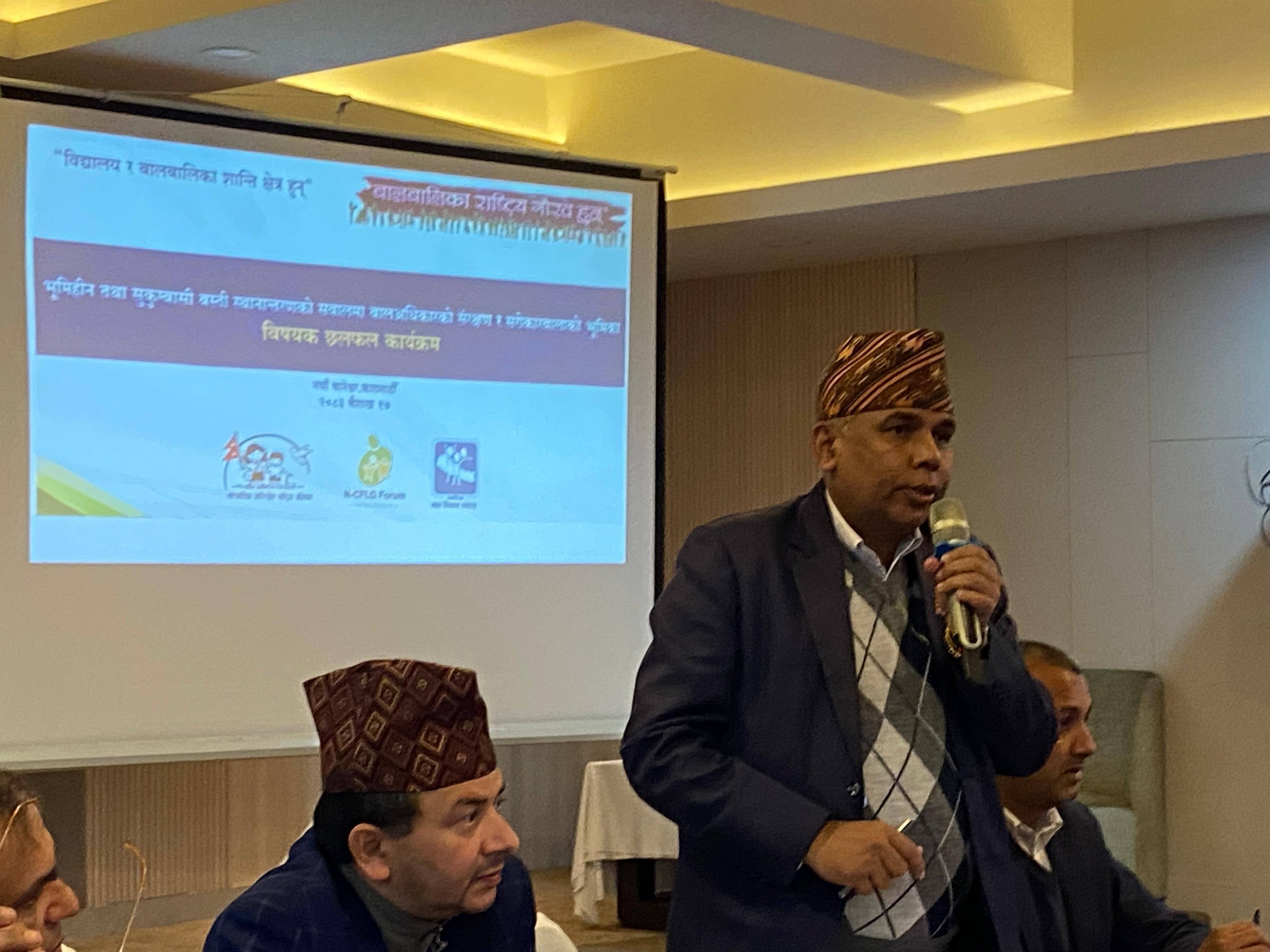
Kathmandu, 17 Baisakh 2083 .Stakeholders have called on the government to act sensitively toward children and vulnerable groups affected by the ongoing eviction of landless and squatter settlements. Concerns were raised that the government’s settlement clearance campaign, which began on Baisakh 12, has created serious difficulties for children, pregnant women, new mothers, senior citizens, and persons with disabilities.
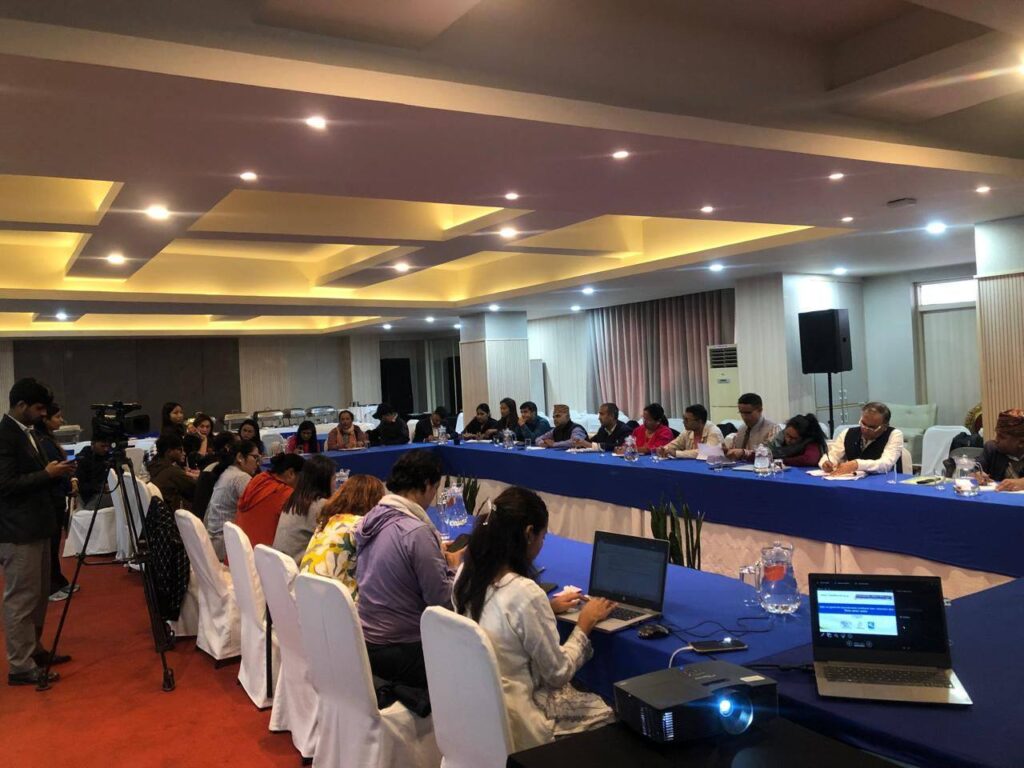
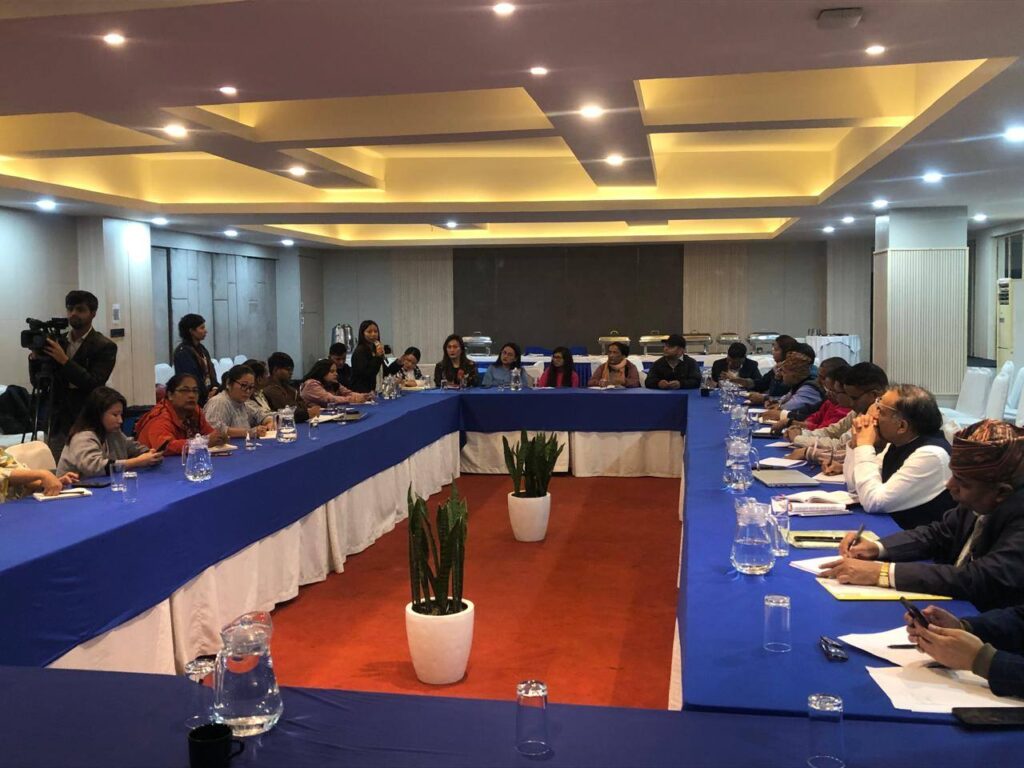
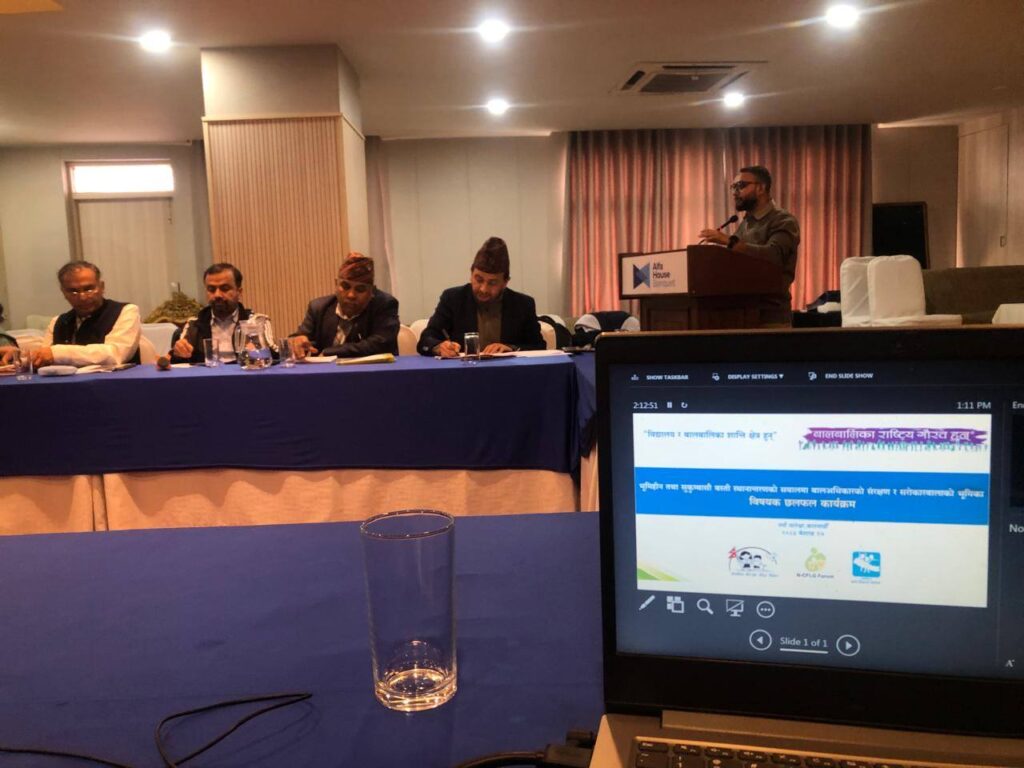
The concerns were shared during a discussion organized by the National Campaign for Children as Zones of Peace (CZOP), the National Forum for Child-Friendly Local Governance, and the Child Development Society. Participants discussed the impact of demolitions on children’s education, health, safety, and mental well-being.Speakers stressed that the government must uphold constitutional rights, including the rights to housing, food, health, education, dignity, privacy, and child protection.Representatives from government agencies, human rights organizations, schools, civil society groups, disability groups, journalists, and child rights activists attended the event. Around 40 participants took part in the discussion.
Participants said the eviction process lacked proper planning, coordination, and communication among government agencies. They noted that children and vulnerable communities have been the most affected. Some students reportedly had to sit for Grade 12 examinations while their homes were being demolished, while families were forced to sell household belongings to manage daily needs.
Stakeholders suggested that the government should first identify landless families and ensure alternative housing before carrying out demolitions. They also warned that destroying homes and schools in front of children could have serious psychological effects.Concerns were also raised about the loss of important documents, including citizenship certificates, birth registrations, educational records, textbooks, and school uniforms during the demolitions. Participants further highlighted risks related to violence, abuse, and lack of privacy in temporary shelters and holding centers.
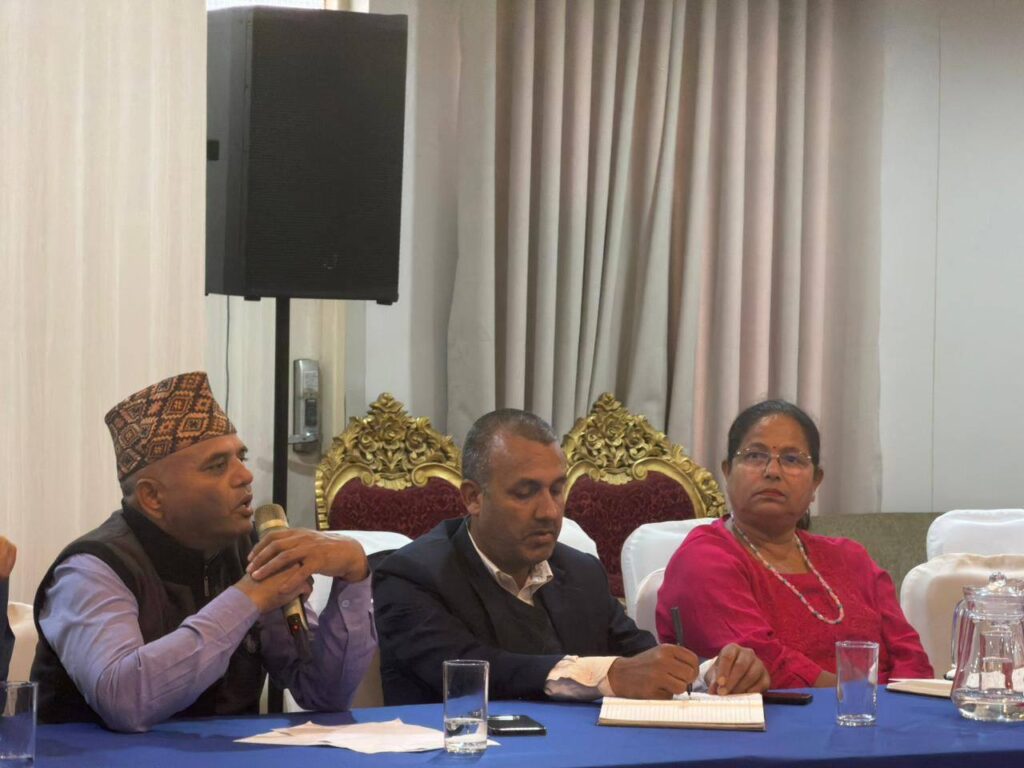
The discussion concluded with a call for the government to ensure proper consultation, coordination, and respect for human rights and child rights while addressing issues related to landless and squatter settlements.